
Hurricane Melissa: A Historic Atlantic Catastrophe and What It Means


Introduction
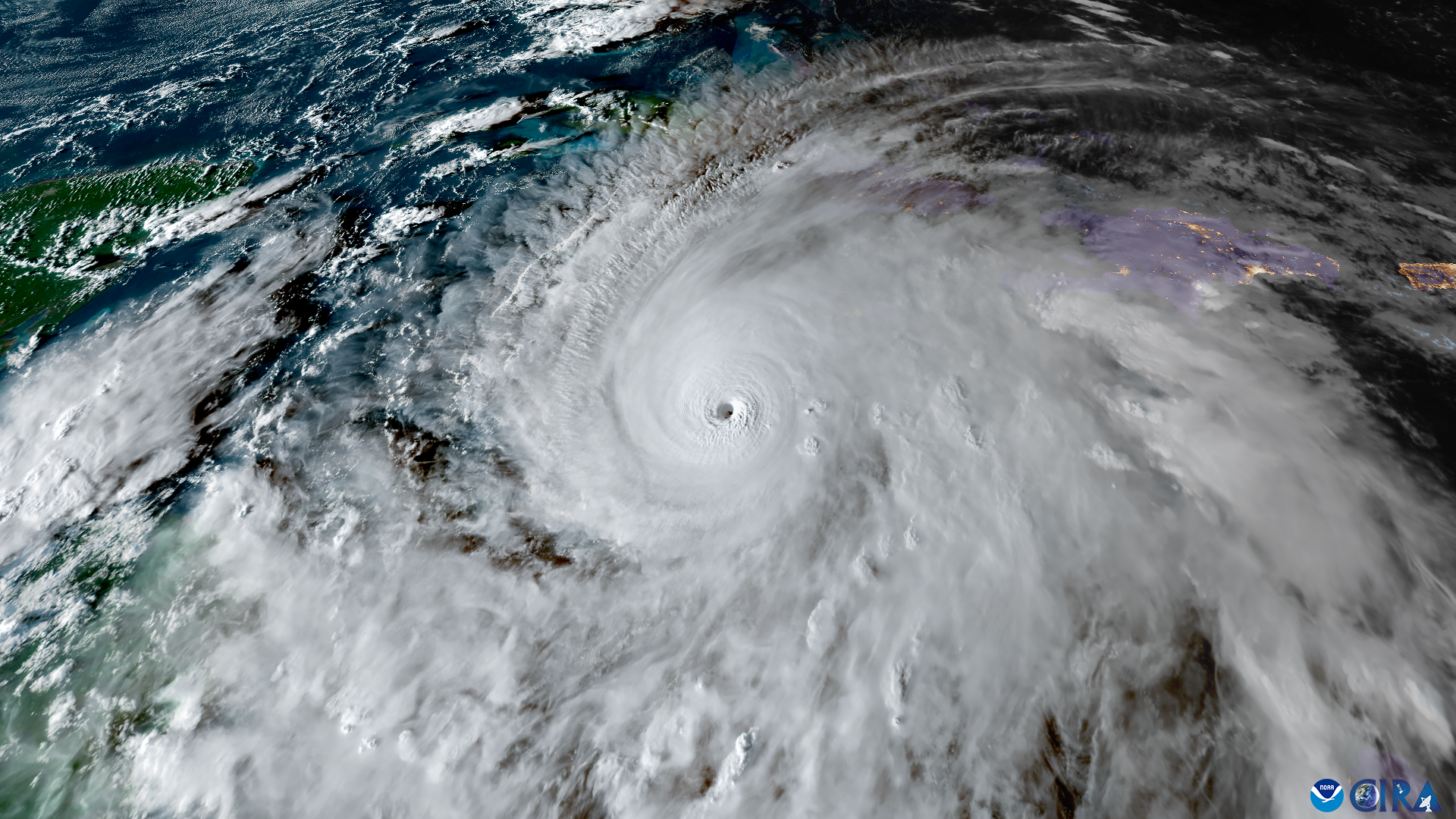
On October 28 2025, the tropical cyclone known as Hurricane Melissa made landfall in southwestern Jamaica with sustained winds of 185 mph, immediately placing it among the most intense hurricanes ever recorded in the Atlantic basin. (ABC News)
In this article we analyze Melissa’s meteorological evolution, its record-breaking intensity, the immediate impacts across Jamaica and beyond, and the broader climate and preparedness implications that follow.
Meteorological Evolution: From Tropical Wave to Category 5
Genesis and Early Development
The system that became Hurricane Melissa originated as a tropical wave off the west coast of Africa and tracked across the central Atlantic before entering the Caribbean Sea around late October. (Wikipedia)
Unfavourable steering currents and moderate wind shear initially inhibited rapid organization, but conditions soon aligned.
Rapid Intensification and Peak Strength
Between October 25 and 27, Melissa underwent an explosive intensification phase, climbing into Category 5 strength within a short period. (The Guardian)
At landfall near New Hope, Jamaica, it registered sustained winds of 185 mph and a minimum central pressure of 892 millibars. (The Weather Channel)
These values place it in a tie for the strongest landfalling hurricane in the Atlantic by wind speed, and among the top in terms of lowest pressure. (CBS News)
graph LR
  A[Tropical wave Caribbean] --> B{Weak steering / shear}
  B --> C[Rapid consolidation]
  C --> D[Category 5 intensification]
  D --> E[Landfall Jamaica at 185 mph / 892 mb]
Movement and Further Track
After striking Jamaica, Melissa slowed down significantly, increasing the risk of prolonged destructive impacts such as flooding and landslides. (The Guardian)
Its subsequent track toward eastern Cuba and the Bahamas was anticipated to carry significant hazard potential even as the intensity began to gradually decrease. (Reuters)
Record-Breaking Intensity and How Melissa Compares
Wind Speed and Pressure Benchmarks
-
Sustained winds 185 mph tie Melissa with Labor Day Hurricane (1935) and Hurricane Dorian (2019) for highest landfall wind speeds in the Atlantic. (ABC News)
-
Minimum central pressure of 892 mb places Melissa near the top of all landfalling Atlantic hurricanes for intensity. (The Weather Channel)
Historical Context
Most hurricanes weaken before landfall; those that maintain or intensify to Category 5 upon land are exceedingly rare. (The Washington Post)
In the Atlantic basin only a small subset reach Category 5, and even fewer do so when striking land. Melissa’s entry into that subset marks it as a historic event.
Why This Matters
The combination of high wind speeds, low pressure, and slow movement dramatically increases the destructive potential of a storm. Structural failure, deep storm surge, and catastrophic flooding become much more likely under such extreme parameters.
Impacts on Jamaica: Widespread and Severe
Immediate Structural and Infrastructure Damage
Melissa made landfall near the town of New Hope in Jamaica, impacting parishes such as St. Elizabeth and Clarendon. (The Washington Post)
Reports indicate hospitals, roads, and shelters suffered significant damage; power outages affected over half a million people. (Reuters)
Flooding, Storm Surge and Landslides
Being slow-moving, Melissa’s prolonged presence over the region exacerbated rainfall totals, increasing the risk of flash flooding and landslides in Jamaica’s mountainous terrain. (The Washington Post)
Storm surge heights of up to 4 meters (≈13 feet) were forecast in some coastal areas. (The Guardian)
Human and Economic Toll
Early reports indicated multiple fatalities, though final counts are pending. (People.com)
The agricultural sector, especially in rural Jamaica, faces major losses, and critical infrastructure damage will likely lead to long-term recovery challenges. (Reuters)
Regional and Global Implications
Risk to Wider Caribbean and Atlantic Regions
Although Jamaica bore the brunt of the initial landfall, Melissa’s projected path toward Cuba, the Bahamas and possibly even Bermuda underscores its regional threat. (Reuters)
Coastal and island nations across the Caribbean must now contend with compounded hazards: wind, water, and isolation through cut-off supply lines.
Trends in Hurricane Intensity and Climate Connection
Scientists note that hurricane seasons are producing more intense storms, with rapid intensification and higher peak intensities becoming more common. (TIME)
Warmer sea-surface temperatures and reduced wind shear in the Atlantic appear to enable storms like Melissa to accelerate in strength and maintain that strength close to landfall.
Preparedness, Infrastructure and Adaptation
Melissa reveals the imperative for resilient infrastructure, particularly in vulnerable regions. Early warning systems, evacuation plans, and robust shelters are essential, but must now operate within a context of increasing storm extremes.
Investment in adaptive strategies—such as elevated buildings, reinforced coastal protections, and community resilience programmes—is no longer optional for nations in high-risk zones.
What We Can Learn: Key Takeaways
-
Early Intensification is a Red Flag — When a storm like Melissa rapidly strengthens close to landfall, every hour counts for preparation and evacuation.
-
Slow-Moving Storms Compound Risk — Beyond wind speed alone, the forward speed of a cyclone plays a major role in how much rainfall and flooding damage ensues.
-
Peak Intensity at Landfall is Rare but Catastrophic — Melissa’s status underscores how extreme such events are, and how they challenge traditional hazard assumptions.
-
Climate Trends Amplify the Threat Landscape — As ocean conditions become more favourable for powerful storms, coastal and island communities must elevate their resiliency frameworks.
-
Recovery Will be Long-Term — The damage from a landfall at this magnitude is not just acute. Infrastructure rebuilds, economic recovery, and community resilience take years.
Conclusion
Hurricane Melissa stands out as a defining tropical cyclone of the 2025 season and a landmark event in Atlantic hurricane history. With its unparalleled strength at landfall, its widespread destruction in Jamaica, and its broader implication for climate-driven storm changes, Melissa should serve as both a warning and an impetus for concerted action across disaster-prone regions.
As we reflect on the disaster, our focus must pivot to preparedness, adaptation, and investment in resilience—so that when the next Melissa emerges, we are far better equipped to withstand and recover from the storm



0 Comments